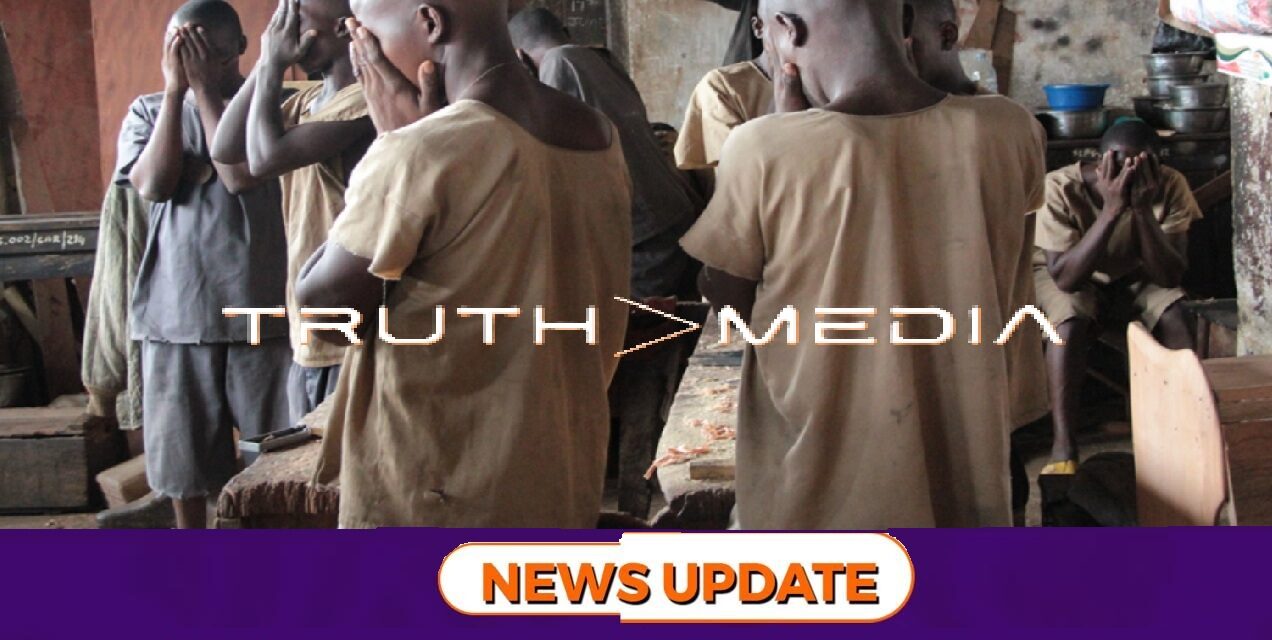
Freetown, 29th January 2026- A follow-up audit by the Audit Service Sierra Leone (ASSL) has raised serious concerns about the welfare of inmates at the country’s correctional facilities, with particular focus on the treatment of mentally ill prisoners at the Freetown Male Correctional Centre.
The audit, which reviewed the Sierra Leone Correctional Service’s (SLCS) implementation of earlier recommendations, found that several inmates classified as “insane” were being held without any formal medical report from the nation’s psychiatric hospital confirming their condition.
“We observed that there were insane inmates at the Freetown Male Correctional Centre without any formal report from the mental hospital declaring them insane,” the ASSL report stated.
The National Medical Supervisor, interviewed during the audit, admitted that the SLCS lacks trained and qualified medical officers to handle psychiatric cases. “Since the SLCS does not have trained and qualified medical officers to handle such cases, arrangements have been made with the Kissy Psychiatric Hospital for the admission or treatment of insane inmates,” he explained.
The revelation has sparked debate among rights advocates, who argue that keeping mentally ill individuals in prison cells without proper diagnosis or treatment violates both human rights and medical ethics.
Beyond the issue of psychiatric care, the audit also highlighted broader welfare challenges. Correctional centres remain too small to accommodate the current inmate population. Construction of new facilities is ongoing in Waterloo, Karene, Falaba, and Moyamba, including nine new male cells and five female cells at Waterloo, designed to house up to 50 inmates.
The audit found three cases of mothers living with infants in correctional centres in Freetown, Makeni, and Bo. Children born in custody remain with their mothers until age three before being handed to relatives. However, there is no clear policy governing their stay, and provisions for food, clothing, and medical care rely largely on humanitarian aid.
With water supply, conditions have improved, with UNDP supporting borehole facilities in provincial centres and SALWACO and Guma Valley Water Company providing regular supply in Freetown.
While these improvements are noted, the plight of mentally ill inmates remains the most pressing concern, because without proper psychiatric evaluation and treatment, the correctional system risks worsening the conditions of vulnerable individuals.