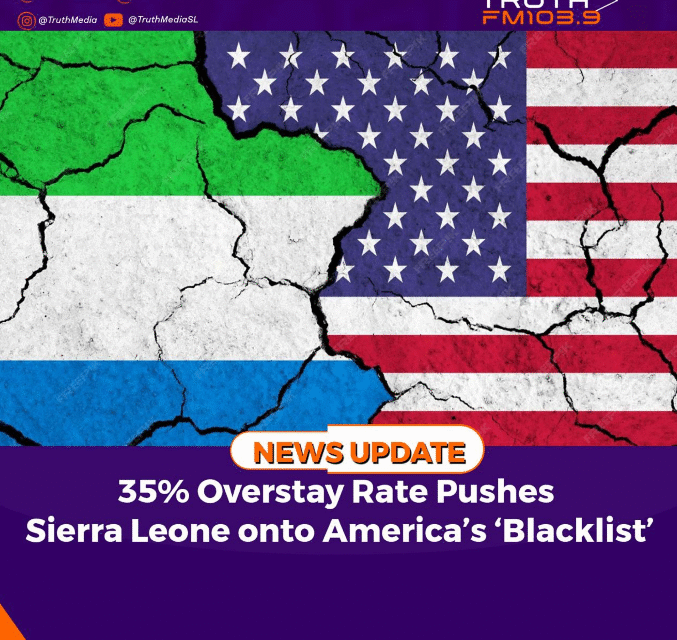
Freetown, 17th December 2025- The United States has announced sweeping new travel restrictions, with Sierra Leone now facing full entry limitations under a proclamation signed by President Donald J. Trump in June 2025. The move, framed as a national security measure, places Sierra Leone alongside several other countries deemed to have “persistent and severe deficiencies” in screening and information-sharing.
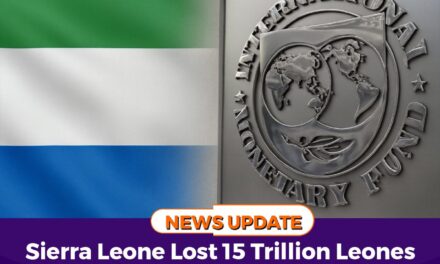
The proclamation cites visa overstay rates and failures to repatriate nationals as key reasons for Sierra Leone’s inclusion. According to the U.S. Department of Homeland Security’s 2024 Entry/Exit Overstay Report, Sierra Leone recorded a 16.48% overstay rate on B-1/B-2 visitor visas, and a striking 35.83% overstay rate among student, vocational, and exchange visitor visas (F, M, J categories).
“Additionally, Sierra Leone has historically failed to accept back its removable nationals,” the proclamation states, underscoring what U.S. officials describe as a lack of cooperation in immigration enforcement.
President Trump defended the decision, saying it was necessary to protect American citizens. “It is the President’s duty to take action to ensure that those seeking to enter our country will not harm the American people,” the proclamation reads.
The restrictions mean Sierra Leonean nationals will face full suspension of entry into the United States, except for limited categories such as lawful permanent residents, existing visa holders, diplomats, athletes, and individuals whose entry serves U.S. national interests. Case-by-case waivers remain possible, but broad family-based immigrant visa carve-outs have been narrowed due to what U.S. officials describe as “demonstrated fraud risks.”
The announcement has sparked concern among Sierra Leoneans with ties to the United States, particularly students and professionals who rely on U.S. visas for education and work opportunities. Immigration experts in Freetown warn that the restrictions could strain bilateral relations and limit opportunities for Sierra Leone’s youth.
This is a serious setback for Sierra Leoneans aspiring to study or work in the U.S. The high overstay rates cited by Washington reflect systemic challenges at home, but the blanket restrictions risk punishing genuine applicants who follow the rules.
The proclamation also highlights broader issues of governance and documentation in Sierra Leone, pointing to unreliable civil records and difficulties in vetting applicants. U.S. officials argue that such deficiencies pose risks to national security when nationals are admitted without adequate screening.
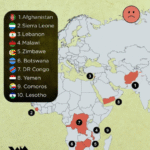
Sierra Leone is not alone. The proclamation expands restrictions to several African nations, including Burkina Faso, Mali, Niger, and South Sudan, citing terrorism, instability, and high visa overstay rates. Partial restrictions were also imposed on countries such as Nigeria, The Gambia, and Malawi.
The Supreme Court previously upheld similar travel restrictions during Trump’s first term, ruling that such measures fall “squarely within the scope of Presidential authority” and serve “legitimate purposes.”