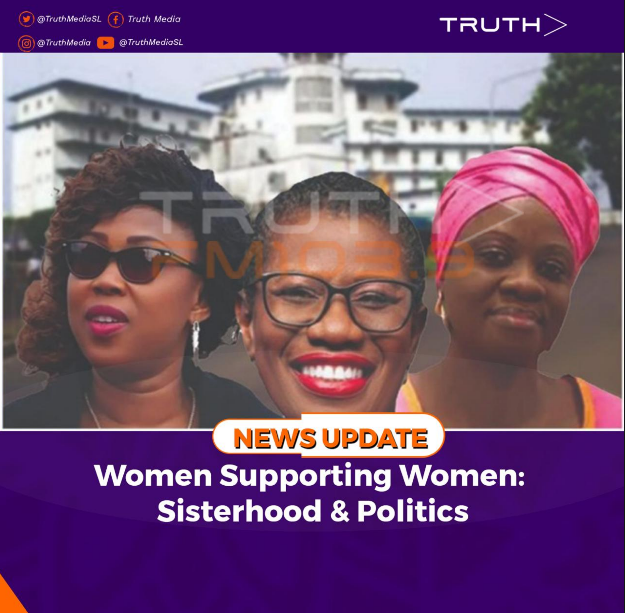
Freetown, 5th January 2026 – Sierra Leoneans woke up to a new year with an interesting episode unfolding on the country’s political stage as two women often described as “sisters” found themselves in a dramatic clash of loyalty and ambition.
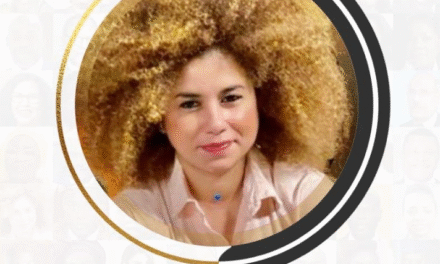
Dr. Sylvia Olayinka Blyden, the outspoken elder who is fondly regarded as the ‘iron lady’ of the APC, recently declared she is considering a run for the party’s flagbearer position ahead of the 2028 elections. Just a few days later, her younger “sister,” First Lady Fatima Maada Bio, openly commended Mayor Yvonne Aki Sawyer, who had formally announced her own bid for the APC ticket in her New Year’s message to Freetonians.
For Sylvia, the timing was no coincidence. She replied almost immediately, accusing Fatima of deliberately preferring Yvonne over her, hinting that only Yvonne could “make APC’s RRF forms disappear” in ways that might benefit SLPP in 2028. Sylvia insisted she was not upset, but her words carried the sting of a ‘sibling’ feeling slighted. Obviously, the question that comes to mind is, why would her younger sister not wish her success first?
Fatima, being the diplomat this time, responded with warmth and reassurance. She reminded Sylvia of their unbreakable bond, recalling moments of loyalty and support. “When you officially come out to say you are contesting, I will be the first to wish you well,” she promised. Her defence was simple, her post was not a snub, but solidarity with another woman daring to break the glass ceiling.
Yet the public could not resist reading between the lines. The spectacle has been dubbed Sierra Leone’s own Blood Sisters moment, an interesting story of two ‘siblings’ caught between affection and rivalry, each navigating the treacherous terrain of politics where loyalty is tested, and ambition is unforgiving.
Mayor Yvonne, meanwhile, plays the role of the unexpected third character in this drama. With her polished New Year’s message and bold declaration, she has become the lightning rod for both Fatima’s solidarity and Sylvia’s suspicion. Her entry into the race has transformed what might have been a quiet family disagreement into a full‑blown political soap opera.
Behind the humour lies a serious question: can Sierra Leone’s women leaders balance solidarity with ambition in a political culture still dominated by men? Sylvia insists that her candidacy would guarantee no “missing forms” in 2028, while Fatima frames her support for Yvonne as a principled stand for women’s empowerment.
For now, the sisters’ feud is less about betrayal than about competing visions of leadership. But like any Nollywood classic, the plot twists keep audiences hooked. Will Sylvia’s formal declaration force Fatima to choose sides? Will Yvonne’s candidacy reshape APC’s internal dynamics? Or will this “Blood Sisters” saga end with reconciliation and shared laughter over the drama?
One thing is certain: Sierra Leone’s political theatre has found its leading ladies, and the script is far too entertaining to ignore.