By Andrew Chokpeleh
Freetown, 3rd April 2026- Globally, just 10% of plastic waste is recycled, according to the Organisation for Economic Co‑operation and Development (OECD) Global Plastics Outlook (2022) and a 2025 study in Communications Earth & Environment. That leaves a staggering 90% unmanaged, choking gutters, polluting rivers, and washing into the ocean.
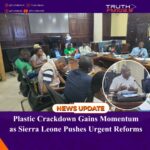
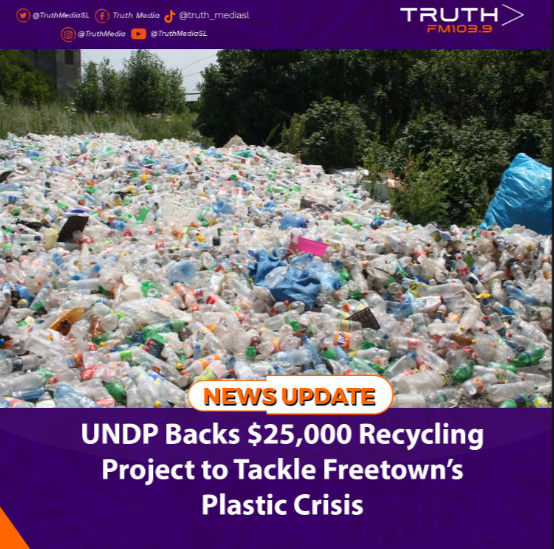
In Freetown, clean‑up exercises in Regent have uncovered bridges blocked by tonnes of discarded plastics, with only a fraction sorted for recycling.
The scale of the crisis is underscored by new figures from the United Nations Development Programme (UNDP). As part of a global pilot across six countries, including Sierra Leone, Nigeria, South Africa, Tunisia, China, and Vietnam, each nation received $150,000 to test community recycling solutions.
In Sierra Leone, 22 organisations applied, 10 were shortlisted, and the Hands Development and Social Transformation Organisation secured $25,000 to launch a recycling project in Western Urban and Rural districts.
The initiative targets “hotspot” areas such as Regent, Brookfields, and Lumley, where indiscriminate dumping is most severe. Early efforts have already begun: plastics removed from blocked waterways are being sorted, with recyclable materials handed to local processors and the remainder disposed of by the Freetown City Council.
Grace N. Piloya, Director General of the organisation, warned that poor disposal habits are feeding directly into the food chain. “Plastics dumped in gutters end up in the sea, harming fish and aquatic life. Without behaviour change, the risks to health and livelihoods will only grow,” she said.
UNDP’s representative, Tanzila Sankoh, confirmed that Sierra Leone’s pilot is part of a broader push to raise recycling rates worldwide. Five representatives from supported organisations will pitch their projects at a global event in China later this year, showcasing Sierra Leone’s efforts to attract further investment.