By Josephine Kamara, Director of Advocacy at Purposeful
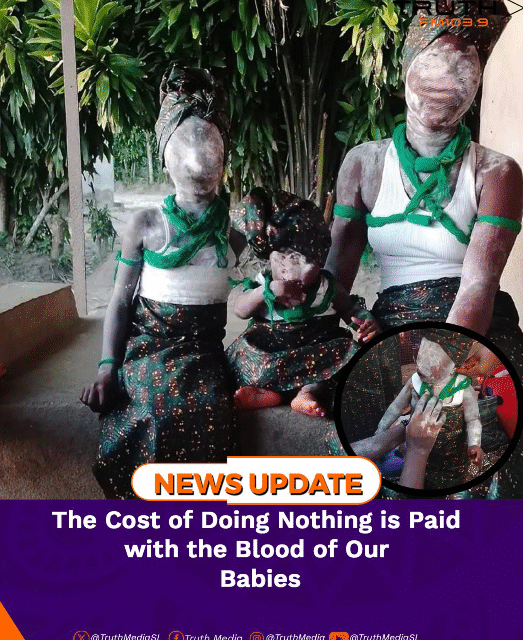
From late 2025 till January of this year, community organizations and local media have documented a disturbing rise in the initiation of children, particularly in rural areas. The festive season was filled with images on social media of young girls undergoing these “rites of passage,” some even allegedly sponsored by wealthy local politicians.
These ceremonies appeared to be conducted openly, with little or no fear of arrest. One of these mass initiations included up to fifty underage girls who were forcibly initiated in the Gbo-Kakajama area near Kenema.
According to local reporting, the youngest child to endure this was three years old.
These are not isolated incidents but symptoms of a wider pattern: when the law fails to draw a clear line, violence fills the gap.
Why are we seeing this surge in girls going to the Bondo bush over the holidays? It is because last year, in July 2025, our country came to a crucial turning point and chose the path of inaction. Parliament deliberated over the amendment of the Child Rights Act.
It was a moment that could have defined our commitment to the protection of the most vulnerable among us: our children, and in particular, our girls. It was a moment where we, as a country, through our parliament, could have made a critical and historic decision to implement laws that would finally protect girls from the violence of Female Genital Mutilation (FGM). Instead, we chose to continue to allow it.
The decision we made by deliberately refusing to criminalize the forced initiation of girls reflects who we are as a nation and what values truly govern our laws and our collective conscience. Sadly, it mirrors our inaction in response to the July 8, 2025, ECOWAS court ruling for Sierra Leone to ban FGM.
That ruling was backed by national, regional, and global consensus that FGM constitutes a grave human rights violation with severe effects on health, and even the death of its victims.