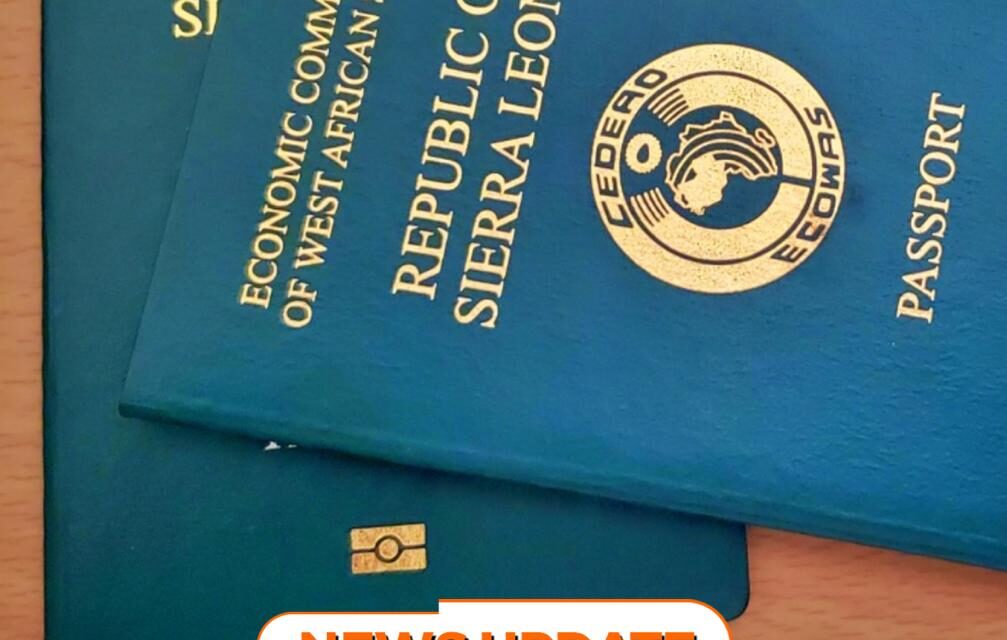
Freetown, 23rd February 2026– The Public Accounts Committee (PAC) has sharply criticized the Immigration Department and the Ministry of Internal Affairs for constitutional violations and gross negligence in the renewal of Sierra Leone’s passport production contract with Netpage.
The controversy centers on a five-year extension granted in 2023 without Cabinet approval or parliamentary ratification, a direct breach of Section 118 of the 1991 Constitution. The PAC report, signed by Chairman and Deputy Speaker Hon. Ibrahim Tawa Conteh, faulted both institutions for failing to table the agreement before Cabinet and Parliament, despite repeated warnings.
The initial contract, ratified in 2013, expired in 2023. By bypassing constitutional procedures, the Ministry and Immigration Department exposed public revenues to risk and undermined fiscal transparency, according to a subsequent PAC report released in February 2026.
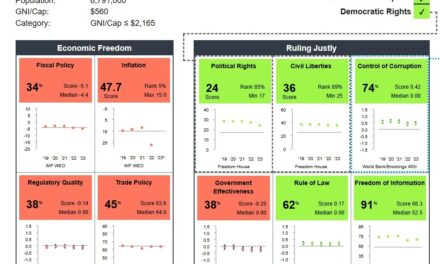
The financial stakes are significant. Data from the Institute for Governance Reform (IGR) estimates annual passport production at 65,000 to 70,000 units, generating USD 7–9 million in sales. Over the past decade, passport sales are believed to have generated at least USD 70 million, yet the government has reportedly received no royalty payments.
IGR argues that the renewal reflects a broader trend of “elite capture,” where business elites manipulate bureaucratic institutions to secure procurement advantages. The report notes that such practices weaken administrative integrity, pressure civil servants to violate procurement rules, and erode public trust.
Beyond financial concerns, the contract has been linked to serious security risks. Between 2013 and 2023, Sierra Leonean passports were frequently discovered in the possession of dangerous criminals in Europe and the Americas. The Ministry of Foreign Affairs previously reported that many deportees processed by the Trump administration as Sierra Leonean nationals were not legitimate citizens, despite holding Sierra Leonean passports.
Civil society groups and citizens are now demanding reforms. They insist that future passport contracts be publicly advertised and opened to credible local and international bidders. Advocates argue that competitive bidding would strengthen security standards for Sierra Leone’s sovereign travel document and ensure fairer revenue arrangements for the state.
The PAC’s findings underscore the urgent need for transparency in public procurement, particularly in contracts tied to national security and revenue generation.