By Samuel Hinga Norman
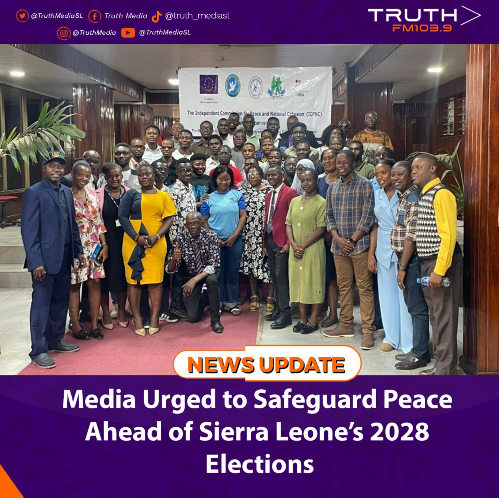
Freetown, 7th April 2026 – Sierra Leone continues to grapple with the effects of its violent past, and the call for unity has never been louder. At a nationwide training held from March 23rd to 31st, 2026, journalists and media practitioners were reminded that their role goes far beyond delivering headlines, they are guardians of peace.
The Independent Commission for Peace and National Cohesion (ICPNC), with support from the European Union through the Sierra Leone Strengthening Programme, convened reporters from across the country to sharpen skills in conflict-sensitive reporting, ethical journalism, and peace-focused storytelling. With the 2028 elections on the horizon, the training underscored one powerful truth: the media can either build peace or tear it apart.
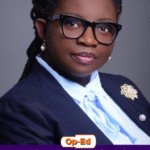
At the closing in Freetown, ICPNC Executive Secretary Madam Hawa Samai didn’t sugarcoat it. She laid out just how much responsibility the media carries for national peace. “The status of peace in this country is in the hands of the media,” she told everyone. Her words carried real weight. She urged reporters to look beyond attention-grabbing headlines and hype and think about how their work shapes this country’s fragile unity.
Sierra Leone has come too far, she said, to risk slipping back into conflict. She pressed the media to inform the public honestly, promote peace, and handle information with care. For many journalists there, the training felt like more than just a skills session; it was a wake-up call.
What they write and broadcast matters to real people. Madam Samai drove that home with a blunt question: “Do you want to see what happened in Rwanda repeated in Sierra Leone?” That landed hard, a reminder that every story can either connect people or set them against each other.
Dr. Idrissa Mamoud Tarawallie, Head of Programme at International IDEA, backed her up. He said journalism doesn’t just reflect the nation; it shapes it. Inclusive, responsible journalism helps countries heal and move forward. When the media distorts facts or stirs up division, old wounds reopen and the country’s peace is put at risk.
He explained that while inclusive and responsible journalism can foster national cohesion, distorted or “perverted” journalism can undermine development and stability.“Media is a force for development,” he noted, “but if not properly deployed, it can also become a tool for destruction.” He spelled it out: the issues that triggered Sierra Leone’s war haven’t disappeared. But honest journalism can prevent those wounds from reopening.
One trainee, Mamajah Jalloh of The Watch Newspaper, left with a new sense of purpose. The training helped lock in lessons from university, but also pushed him to be more careful and responsible. “As journalists, we should always weigh the consequences of what we put out. It should always be in the interest of the public, not driven by money,” he said. Getting the facts right and keeping things balanced matter more than ever.
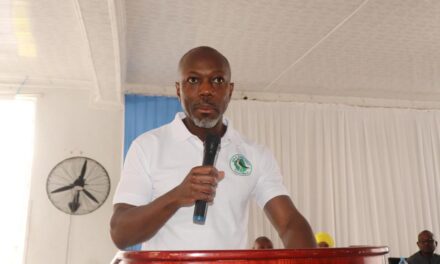
Mr. Khalil Kallon, Executive Secretary of the Independent Media Commission (IMC), also jumped in. He’s worried about how fast hate speech and misinformation spread these days, especially with politics in the mix. That’s why, he said, this training couldn’t have come at a better moment. “The Commission thought it fit to collaborate with the Peace Commission to respond to the current media landscape,” he said.
He admitted some outlets accidentally give airtime to harmful views simply because reporters aren’t trained enough to spot or stop them. That’s what this was about: resetting the focus, making sure media builds peace, not division. He reminded everyone that the IMC holds media houses accountable if they spread hate or harmful messages.
Now, as Sierra Leone keeps building its democracy, the media’s job matters more than ever. Journalists shape how people see what’s happening around them; they can either stir up trouble or help folks find common ground.
This training wasn’t just another item on a checklist. It was a reminder that every word matters. Building peace isn’t just the government’s job; it belongs to everyone. The media, right at the front, play a huge part by reporting honestly, acting responsibly, and helping pull Sierra Leone closer to a future built on peace and unity.