By Kelfala Kargbo
Freetown, 4th November 2025- When his heart began to race like a drumbeat, Aiah John Mondeh once a heavy Kush smoker felt his life flash before his eyes.
“Each puff felt like a sword piercing my heart,” he said.
Mondeh first tasted Kush in 2022, shortly after sitting for his WASSCE. What began as a single puff spiraled into compulsive addiction. He moved from smoking one wrap a day to three or four packs daily.
To fund his habit, he turned to petty crimes and odd jobs, laundering clothes, fetching water, and collecting garbage. “I used to earn NLe20 to NLe30 after long hours of filling drums,” he recalled. “I would just rush to the ghetto to buy a few wraps of Kush.”
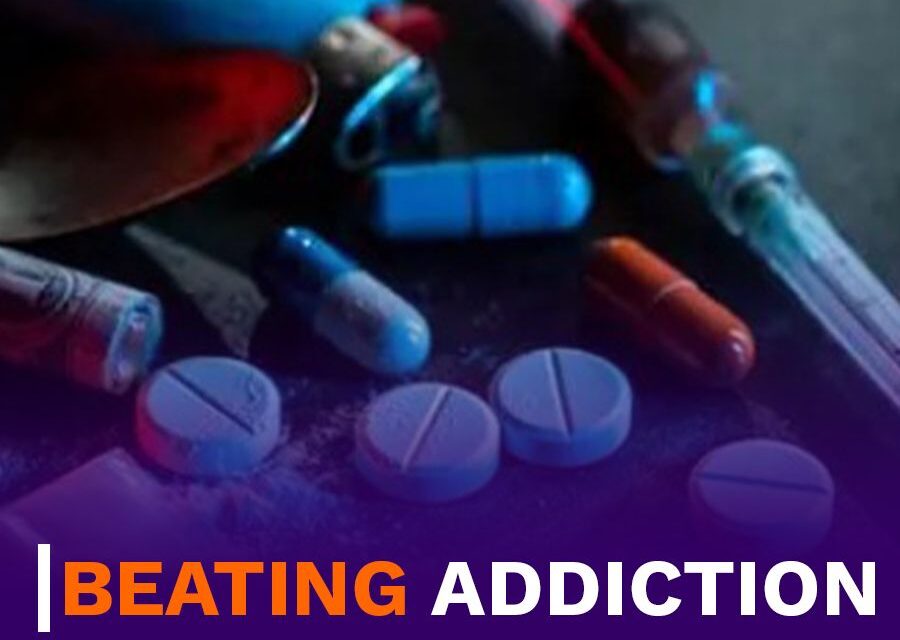
The chemicals in Kush, nitazenes, fentanyl, and synthetic cannabinoids, Q are dangerously addictive. A 2025 study by the Global Initiative Against Transnational Organised Crime confirmed their devastating impact on both mind and body.
As Mondeh’s addiction deepened, his life unraveled. “Before I started smoking Kush, I was a shy young man who had never stolen,” he said. “But when I became an addict, I stole everything my hands laid on.”
Like many others, he faced stigma and isolation. “Everywhere I went, people cursed or pushed me away,” he said. His appearance and odor repelled even family members. “Lucky for me, I did not incur sores,” he added, noting that others suffer swollen feet and deep wounds.
On July 7, 2024, Mondeh made a life-changing decision: he quit Kush cold turkey. “It was the most trying moment of my life,” he admitted. One evening, after puffing twice, a voice inside warned him: “If I don’t stop, I will die.”
His father took him to Hastings Rehabilitation Center, but it was full. Left to recover at home, Mondeh endured sleepless nights, shivering, and fatigue. He drank water, ate fruits, exercised, and leaned on spiritual strength. “Each time I felt the urge, I read my Bible—and the desire disappeared.”
After a month of resisting temptation, Mondeh emerged clean.
But not every addict is as fortunate. Sierra Leone has only one functional government-owned rehab center, with another planned in Gondama, Bo. Of the 2,150 addicts registered for rehabilitation, only about 400 have completed the process.
“We call them ‘Ambassadors of Positive Change,’” said Ansumana Konneh, Director of Mental Health and Psychological Support Services. “But that’s a drop in the ocean.”
Between September 2024 and February 2025, no funding was allocated to rehab centers. The National Drug Law Enforcement Agency also lacks resources, despite President Maada Bio declaring Kush a national health emergency.
Citizens are calling for urgent government action. Without expanded rehabilitation, psychosocial support, and medical care, the future of Sierra Leone’s youth hangs in the balance between hope and extinction.