By Nafisatu Olayinka Deen
Freetown, 20th October 2025- On October 14, 2025, His Excellency President Dr. Julius Maada Bio signed the revised Child Rights Act into law, ushering in a new framework aimed at strengthening protections for children in Sierra Leone. The legislation, passed by Parliament in July, introduces progressive reforms to safeguard children’s rights to education, healthcare, personal identity, and protection from abuse. It aligns with international treaties and is intended to modernize the country’s child welfare system.
But while the law has been praised for its forward-thinking provisions, it has also sparked widespread disappointment among human rights advocates and anti-FGM campaigners, particularly for what it leaves out.
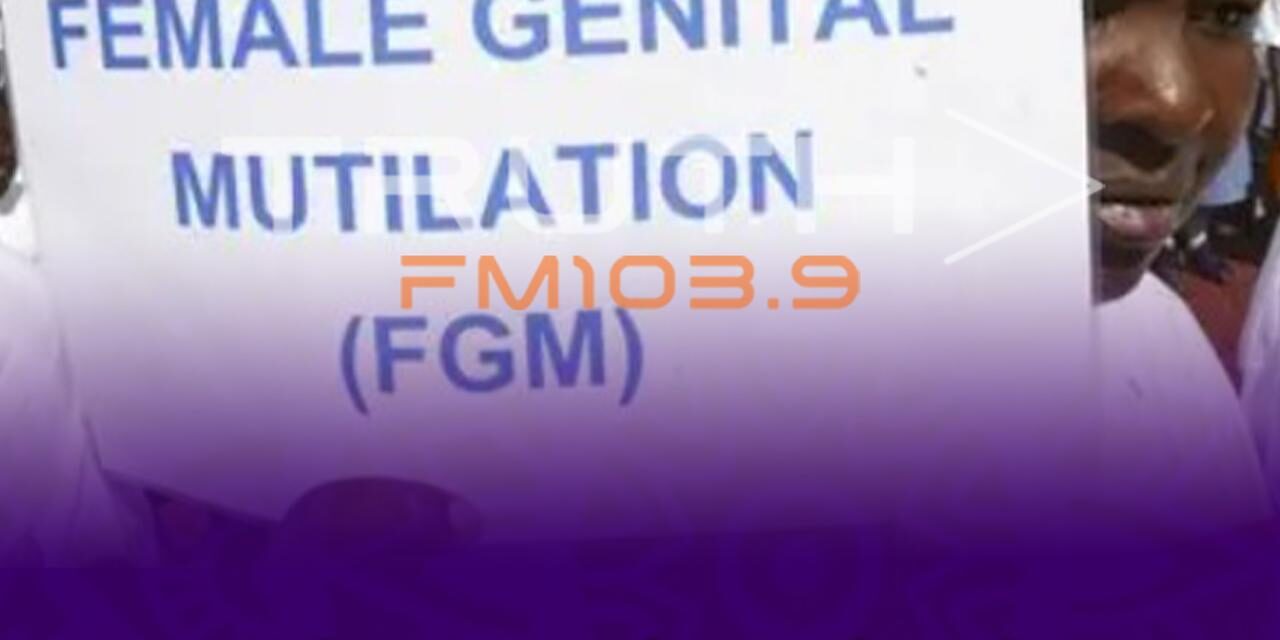
The Act does not include an explicit ban on Female Genital Mutilation (FGM), a practice condemned by the ECOWAS Court as “one of the worst forms of violence against women” and, when intentionally inflicted, “meets the threshold for torture.” The omission has reignited debate over Sierra Leone’s commitment to protecting girls from harmful traditional practices.
A Missed Opportunity for Protection- Gender equality and anti-FGM advocate Alimatu Dimonekene MBE expressed deep frustration over the law’s silence on FGM.
“As someone who has worked for decades to end FGM and advance the rights of women and children, I must express profound disappointment,” she told Truth Media.
“This was an important moment for Sierra Leone to take a firm, historic stand against a practice that continues to harm, silence, and traumatize thousands of girls each year. Instead, we’ve seen political hesitation take precedence over the safety and dignity of our children.”
Dimonekene warned that the implications of the omission are grave, arguing that failure to criminalize FGM reinforces a culture of impunity and undermines years of advocacy.
“It sends a troubling message that the pain, health, and futures of girls are negotiable,” she said. “This decision contradicts our commitments under regional and international human rights frameworks, including the Maputo Protocol and the ECOWAS ruling.”
Forum Against Harmful Practices: “This Is Not Optional”- The Forum Against Harmful Practices (FAHP) echoed Dimonekene’s concerns. While acknowledging the government’s broader efforts to support women and girls, such as the Gender Equality and Women’s Empowerment (GEWE) Act of 2022, FAHP insists that any law claiming to protect children must explicitly outlaw FGM.
“This is not an optional add-on,” said FAHP National Coordinator Ishmael Cole. “It is a core requirement to protect dignity, bodily integrity, and human rights.”
Cole emphasized that without criminalization, perpetrators act with impunity, and girls remain vulnerable to abuse. He cited FAHP’s documentation of mass initiation events in Kenema, where school-aged girls missed key examinations and were exposed to serious health risks.
“FGM leads to severe physical complications, mental trauma, and loss of educational opportunity. In extreme cases, it results in death,” Cole said. “The omission undermines efforts to reduce its prevalence and may reinforce harmful social norms that regard the practice as acceptable.”
Government Response and Public Concern- Minister of Gender and Children’s Affairs, Isata Mahoi, responded to the criticism by stating that the President has the authority to determine what is signed into law, but emphasized that this does not mean he is indifferent to the protection of children’s rights.
Still, advocates remain unconvinced.
“This is a moment of deep reflection,” Dimonekene said. “While we recognize progress in other areas of gender equality, the failure to confront FGM head-on reveals a lack of political courage. True leadership requires protecting the most vulnerable, even when it challenges cultural norms.”
Cole added that the President’s commitment will ultimately be judged not by the presence of laws, but by whether they are comprehensive, enforceable, and aligned with human rights standards.
“This decision raises serious concerns,” he said. “It suggests more rhetoric than tangible protection in practice.”
Despite their disappointment, advocates remain hopeful that the conversation sparked by the Act will lead to stronger protections in the future.
“I remain hopeful that this Act will spark dialogue and push for a future where our laws truly safeguard every girl’s right to bodily integrity and freedom from harm,” Dimonekene said.