By Davida Spaine-Solomon
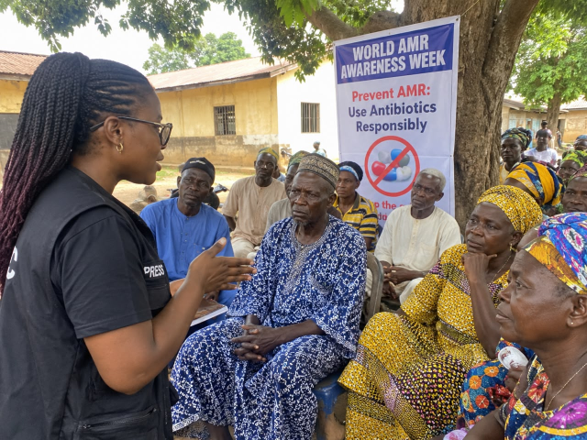
Freetown, 24th November, 2026 – As World Antimicrobial Resistance (AMR) Awareness Week draws to a close today, 24th November, the need to involve traditional leaders and healers in Sierra Leone’s fight against antimicrobial resistance deserves greater attention, particularly in addressing unsafe wound-treatment practices in communities.
While national efforts to tackle AMR have largely focused on health professionals, hospitals, pharmacies and the responsible use of antibiotics, an important group of community stakeholders remains insufficiently engaged: traditional authorities and practitioners who influence how people seek treatment.
Across Sierra Leone, traditional healers remain a source of healthcare for many people, particularly in rural communities where access to formal medical services can be challenging. From cuts and burns to more serious injuries, some people turn to traditional practitioners before seeking treatment at a health facility.
Although traditional medicine is part of the country’s cultural heritage, certain practices, particularly applying unsterile substances to open wounds, can introduce harmful microorganisms and increase the risk of infection. Delaying appropriate medical attention can further expose patients to complications.
This is where the connection between wound treatment and antimicrobial resistance becomes important.
AMR occurs when microorganisms, including bacteria, develop the ability to resist medicines designed to treat infections. According to the World Health Organization (WHO), the misuse and overuse of antimicrobial medicines are among the major drivers of resistance. Poor infection prevention and control also contribute to the spread of resistant microorganisms.
When wounds become infected, patients may require medical intervention, including antibiotics where clinically necessary. However, inappropriate antibiotic use, including taking medicines without proper medical assessment, can contribute to the development and spread of resistance.
A nationwide household survey conducted in Sierra Leone between 2019 and 2020, published in Heliyon in 2025, provides important insight into the country’s wound-care situation. The study found that 5.3 per cent of reported wounds were treated exclusively with traditional medicine. It also documented instances where patients consulted traditional healers, witch doctors or bone setters.
The research highlights the different pathways through which people seek wound treatment and the need to improve access to appropriate care.
Traditional Leaders as Agents of Change
In Sierra Leone, paramount chiefs, section chiefs, town chiefs and community elders hold considerable influence within their communities. Their authority extends beyond traditional administration to decisions and practices that shape everyday life.
They are often trusted voices whose messages can influence how residents respond to health concerns. Their involvement in AMR awareness could, therefore, help bridge the gap between public health institutions and communities.
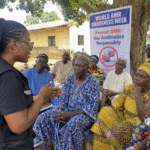
Traditional leaders can use community meetings, local gatherings and engagement with traditional structures to educate residents about the dangers of unsafe wound treatment, inappropriate antibiotic use and the importance of seeking early medical attention.
However, the responsibility should not rest on traditional authorities alone. Traditional healers, who directly attend to people with wounds and injuries, must also become active partners in the response.
The Role of Traditional Healers in Safer Wound Treatment
Traditional practitioners should be encouraged to understand basic infection prevention and recognise the limits of their practices.
Practical training could help them understand the importance of hand hygiene, clean wound-dressing materials, avoiding unsterile substances on open wounds and referring patients with serious or infected injuries to qualified health professionals.
They should also be educated on the dangers of recommending or administering antibiotics without appropriate medical assessment.
Not every wound requires antibiotics. Proper cleaning, appropriate dressing and professional assessment are essential to preventing complications and ensuring patients receive the right treatment.
A partnership between traditional practitioners and formal healthcare providers could also establish referral pathways, allowing people to receive timely medical attention when their conditions require professional intervention.
A Responsibility for Health Authorities
The Ministry of Health, the National Public Health Agency and District Health Management Teams must recognise traditional leaders and healers as important stakeholders in community-level AMR interventions.
Rather than limiting engagement to annual awareness campaigns, authorities should consider continuous community sensitisation, structured training and collaboration with traditional leadership structures.
Such engagement must be respectful and should not seek to undermine cultural practices. Instead, it should encourage safer approaches, address harmful practices and strengthen trust between traditional and formal healthcare systems.
Equally important is addressing the barriers that prevent people from accessing health facilities. The Sierra Leone wound-care survey found that financial limitations prevented some patients from obtaining the care they needed. Therefore, promoting early referrals must go hand in hand with improving access to affordable healthcare.
Beyond AMR Awareness Week
As the 2026 World AMR Awareness Week comes to an end, Sierra Leone must move beyond conversations and annual commemorations towards sustained community-level action.
The fight against antimicrobial resistance cannot be won within hospitals, laboratories and pharmacies alone. It must extend to villages, towns and communities where many healthcare decisions begin.
Traditional leaders have the influence to encourage behavioural change, while traditional healers have an opportunity to promote safer treatment practices and responsible referrals.
Their involvement should not be an afterthought in the country’s national AMR response.
If Sierra Leone is serious about tackling antimicrobial resistance, traditional leaders and healers must have a meaningful place in the conversation. Protecting the effectiveness of antibiotics and preventing avoidable infections require collective responsibility, and that responsibility must begin within our communities.