By Davida Spaine-Solomon
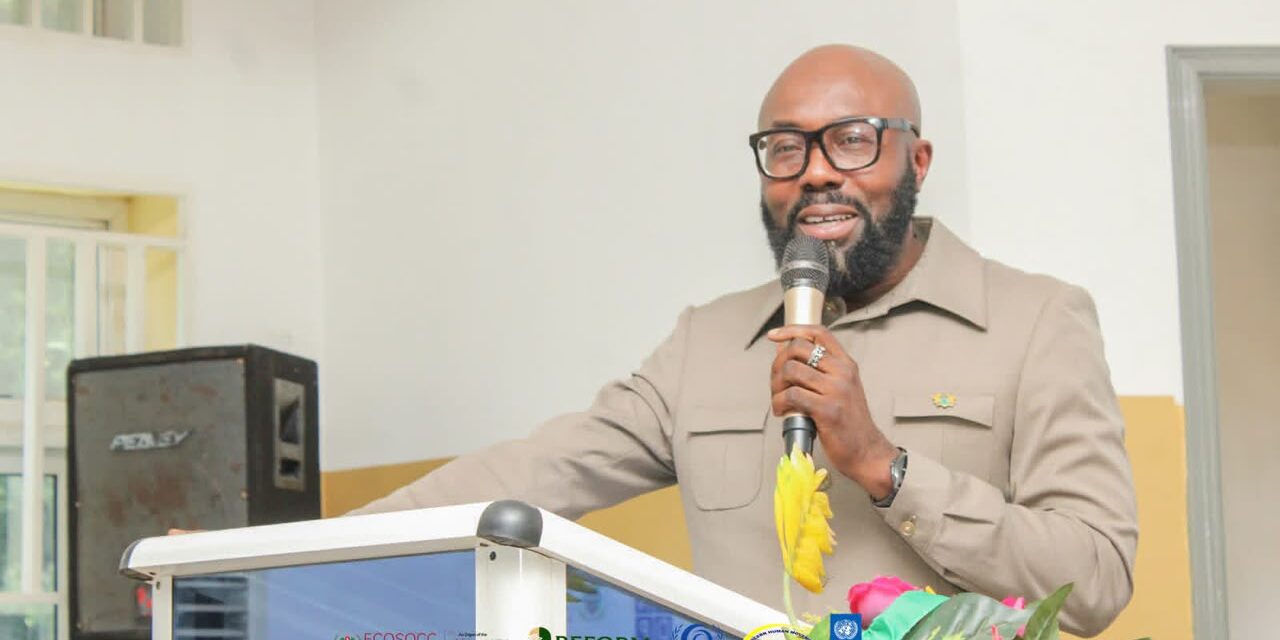
FREETOWN, October 30, 2026 – Young Africans must measure their success not only by personal achievements but also by the lasting impact they make on society, Ghana’s High Commissioner-designate to Sierra Leone, Dr Robert Afriyie, has told university students in Freetown.
Speaking at an inter-university assembly at Fourah Bay College (FBC) on Friday, Afriyie challenged students to approach education, leadership and decision-making with a sense of responsibility towards future generations.
He described life as a process of passing on opportunities and responsibilities, urging young people to build legacies that extend beyond their individual ambitions.
“Life is not a marathon, but a relay you pass to somebody else after you would have made your mark,” he said.
Afriyie’s remarks also extended to the future of the African continent. Invoking the ideals of Ghana’s first President, Kwame Nkrumah, he reiterated the importance of continental integration, including the establishment of a common African market, an African high command and the advancement of a dignified African identity.
His intervention formed part of broader discussions at the assembly on the relationship between citizenship, democratic institutions and public accountability.
The gathering, held at FBC’s Multi-Purpose Hall, attracted students from several universities and was organised in collaboration with member organisations of the Media Reform Coordinating Group (MRCG) and FBC’s Faculty of Communications, Media and Information Studies.
MRCG National Coordinator Dr Sowa challenged participants to look beyond identifying problems and consider their own contribution to resolving them.
Ambassador William Carew, Chair of Political Affairs at the African Union Economic, Social and Cultural Council (AU-ECOSOCC), placed particular emphasis on the responsibilities that come with citizenship.
He argued that democracy requires citizens who understand their rights and are prepared to defend them, rather than individuals who remain detached from public affairs.
“You shouldn’t be passive observers, but active in democratic governance,” Carew said.
He urged students to defend civic space, challenge injustice and use their voices to advocate for progress.
Mass Communications Student Association President Joe Paul Lahai reinforced the importance of student involvement, describing young people as stakeholders whose perspectives should influence decisions about the country’s future.
The impact of the engagement was reflected in the responses of participating students. Zainab Conteh said the discussions had encouraged her to become more vocal on issues affecting students and to promote positive change.
Michael Koroma said the assembly had strengthened his appreciation of the role ordinary citizens play in shaping society, adding that he intended to promote accountability and participate more actively in decision-making.
The discussions brought together different perspectives on leadership, African identity and democratic responsibility, with a shared message that the next generation’s influence will ultimately depend on what it chooses to do with its education, opportunities and collective voice.