By Frederick Bilal Mansaray
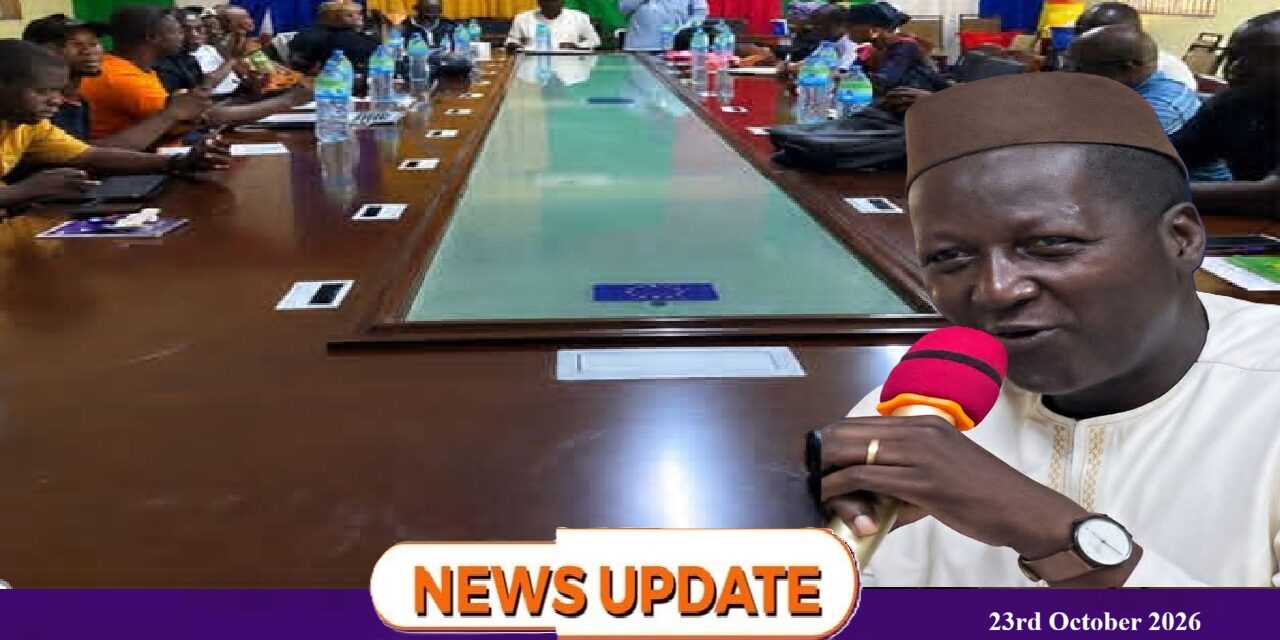
Falaba, 23rd October, 2026 – Stakeholders in Falaba District have called on the Government and financial institutions to establish accessible banking services in the district, citing persistent difficulties in accessing salaries, public funds and other essential financial services.
The appeal was made during a recent bilateral budget discussion, where stakeholders highlighted the financial and administrative burdens associated with the absence of banking facilities within the district. They stated that the situation could undermine staff welfare, institutional efficiency and the delivery of essential public services.
Speaking during the discussion, Falaba District Council Chairman, Ibrahim Sorie Sesay, said several devolved MDAs had raised concerns about difficulties in accessing funds allocated to them by the Government. “I have received complaints from several devolved MDAs concerning the challenges they face in accessing funds allocated to them by the Government,” Sesay said, emphasising the need to address the difficulties affecting public institutions operating within the district.
His remarks highlighted the importance of accessible financial services in enabling government institutions to manage their resources effectively and carry out their responsibilities without unnecessary administrative obstacles.
The Council’s Administrator, Mr. Jonathan Komba, also acknowledged the concerns surrounding access to banking services, particularly the difficulties experienced by government workers and other residents in receiving or withdrawing their salaries and accessing disbursed funds.
The issue, stakeholders noted, extends beyond individual financial inconvenience, raising broader questions about the accessibility of essential services for public sector workers serving in remote and underserved communities.
Councillor Brima Fofanah, who is also a teacher, described the absence of banking facilities in Falaba as a significant challenge for teachers and potentially other members of the local business community. “The absence of banking services in Falaba District is seriously affecting us as teachers. Businesspeople and other residents may also be experiencing similar difficulties in accessing financial services,” Councillor Fofanah said.
He stressed the importance of addressing the situation to ease the burden on workers and other residents who depend on accessible banking facilities for their daily financial transactions.
The Deputy Director of the Ministry of Basic and Senior Secondary Education (MBSSE) in Falaba District, Mr. Philip Kanu, said the issue had repeatedly emerged during his engagements with teachers across the district.
“Since my transfer to Falaba as Deputy Director, several teachers have raised concerns about the difficulties they face in accessing banking services. At times, they have to travel to Kabala to withdraw their salaries or access funds intended to support school activities. Such journeys can create difficulties for teachers and affect the smooth running of schools,” Mr. Kanu said.
His observations point to the wider implications of limited banking access for education personnel, particularly where travelling outside the district consumes valuable time and resources that could otherwise be devoted to professional and institutional responsibilities.
Participants explained that civil servants and teachers often have to travel from Falaba District to Kabala in neighbouring Koinadugu District to access their bank accounts. The journeys, they said, involve additional transportation expenses and delays in carrying out essential financial transactions.
For workers with urgent financial obligations, these challenges can create further pressure on already limited household resources. Institutions that depend on timely access to allocated funds may also encounter practical difficulties in managing their activities.
Stakeholders further expressed concern that the lack of convenient banking services could affect the district’s ability to attract and retain qualified personnel. They suggested that persistent difficulties in accessing salaries and other financial services may make working in Falaba less attractive to some public sector employees.
The concerns have renewed calls for stronger collaboration between the Government, financial institutions, the District Council and relevant public sector agencies to explore practical and sustainable ways of improving access to banking services.
While acknowledging the importance of addressing the issue, stakeholders called for the matter to receive appropriate consideration within broader efforts to improve public service delivery and promote development in the underserved communities.