By Ahmed Sahid Nasralla (De Monk)
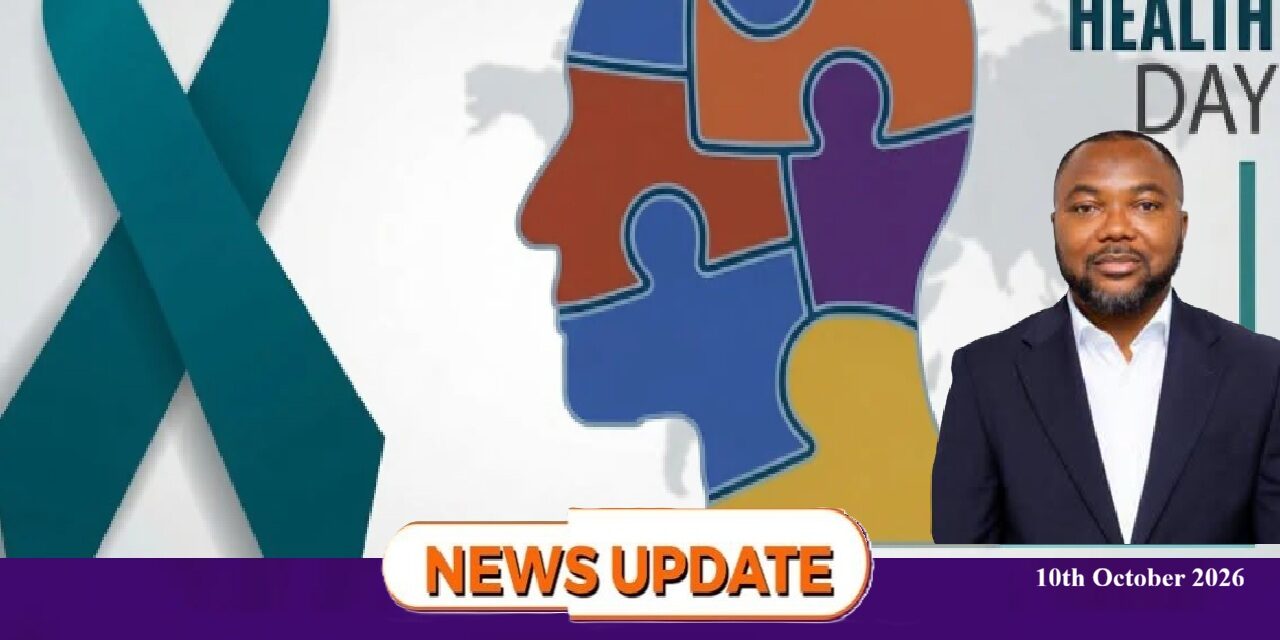
Freetown, 10th October 2026- As Sierra Leone joins the rest of the world to mark World Mental Health Day 2026, the Director of Mental Health and Non-Communicable Diseases at the Ministry of Health, Dr Abdul Jalloh, has called for mental health services to become a routine part of healthcare delivery across the country.
In an exclusive interview with Ticha Lemp Lemp ahead of the global observance, Dr Jalloh said the government is working to ensure mental health is no longer treated solely as a specialist service but is integrated into primary healthcare facilities nationwide.
He noted that healthcare providers should pay attention to a patient’s emotional and psychological wellbeing in the same way they monitor physical health.
“Yes, that is the direction we are working towards,” Dr Jalloh said, emphasizing that integrating mental health services into local healthcare systems would allow more people to receive support closer to their homes.
According to him, the approach is particularly critical in districts where access to specialist mental health services remains limited, forcing many patients to travel long distances to seek care.
Under the proposed model, basic mental health support would be available at community health facilities, while patients requiring advanced care would be referred to specialized services when necessary.
Dr Jalloh explained that decentralizing mental healthcare is central to the Ministry’s broader strategy to improve access and reduce the burden on families who face transportation costs and other challenges when seeking treatment in Freetown.
He further stressed the importance of incorporating mental health services into other areas of healthcare, including maternal health. Women, he noted, often experience emotional and psychological challenges during pregnancy and after childbirth, making mental health support an essential component of maternal care.
The Ministry of Health has identified bringing mental health services closer to communities as one of its immediate priorities, with plans aimed at improving early intervention and expanding access across the country.
Dr Jalloh said the long-term objective is to normalize conversations around mental health and make support services readily available in homes, schools, workplaces and healthcare facilities.
World Mental Health Day is observed annually to promote mental wellbeing and advocate for improved access to quality mental healthcare. The day also serves as a reminder that millions of people worldwide continue to face stigma, discrimination and barriers to treatment despite growing awareness of mental health issues.