By Davida Spaine-Solomon
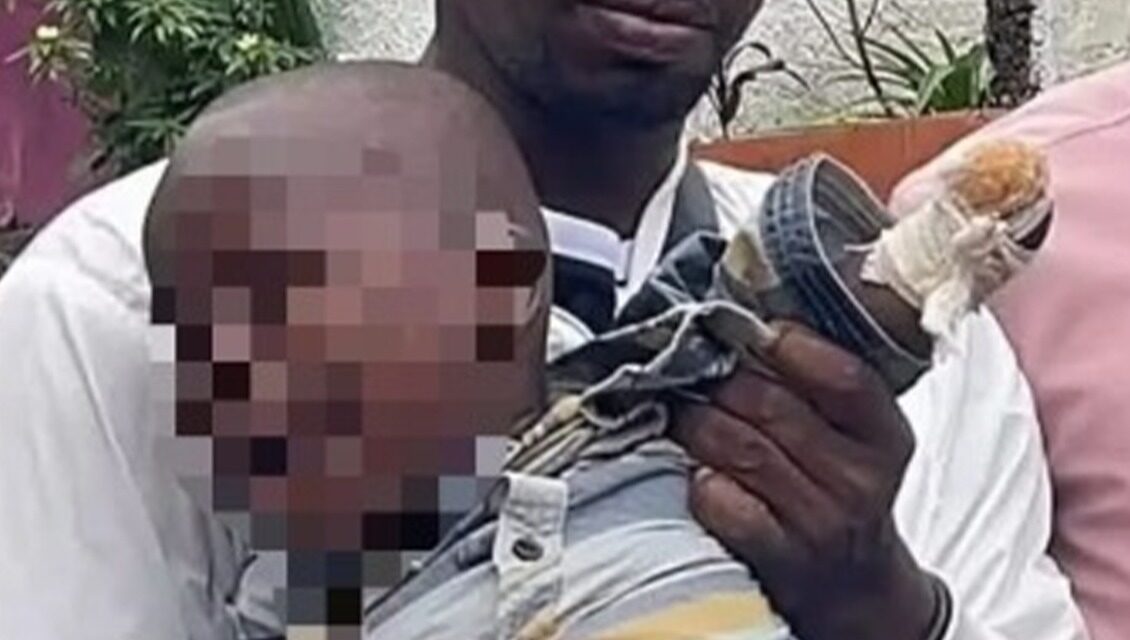
Freetown, 13th August 2026- Five-year-old Mustapha Kanu’s life was irreversibly altered when he lost both hands in a brutal incident involving his grandfather, Abubakar Jalloh.
Jalloh, once entrusted with the boy’s care, was convicted of serious child abuse and sentenced by the High Court in Freetown to 75 years in prison after pleading guilty. The case shocked the nation, sparking an outpouring of sympathy and donations as Sierra Leoneans rallied to support Mustapha’s recovery.
But weeks after the sentencing, Mustapha’s family says their struggle is far from over. His father, Alimamy Kanu, has raised troubling questions about how donations are being handled and who controls plans for the boy’s medical future.
Alimamy alleges that funds sent by members of the public to support Mustapha were channeled through Lawrence Tauwah, a freelance director, advocate, and CEO of Wi Salone Voice, who helped bring the case to public attention.
According to Alimamy, Tauwah handed over money to the family only twice, despite claiming that donations had been sent regularly. He further alleges that Tauwah did not consistently disclose the amounts received, sometimes merely informing him that “someone sent money” without specifying how much.
These inconsistencies, Alimamy says, have left the family deeply uneasy about whether funds raised in Mustapha’s name are being managed transparently.
Beyond donations, Alimamy has also questioned reported plans for Mustapha to travel abroad for specialised treatment, including the possibility of being fitted with prosthetic arms.
He says he was disturbed to learn that Tauwah and his wife were allegedly expected to accompany Mustapha overseas without him, the child’s father, being included in the arrangement.
“I find it unusual,” Alimamy said, stressing that decisions about Mustapha’s medical care and future welfare should involve his immediate family.
When contacted by Truth Media, Tauwah said his involvement was motivated purely by a desire to help Mustapha. He confirmed that he has since cut ties with the family and claimed that monies passed through him had been returned to the original donors.
Tauwah declined to provide details about the amounts involved or the identities of the donors, saying he preferred not to make the matter public.
The dispute comes at a time when Mustapha’s needs remain urgent. Beyond the loss of both hands, he faces years of medical care, rehabilitation, psychological support, and assistance in adapting to life with a permanent disability.
For his father, the conclusion of the court case has not ended the family’s ordeal. As public attention fades, Alimamy says his focus is now on securing sustainable support for Mustapha and ensuring that decisions about his treatment and welfare are made transparently, in his best interest.