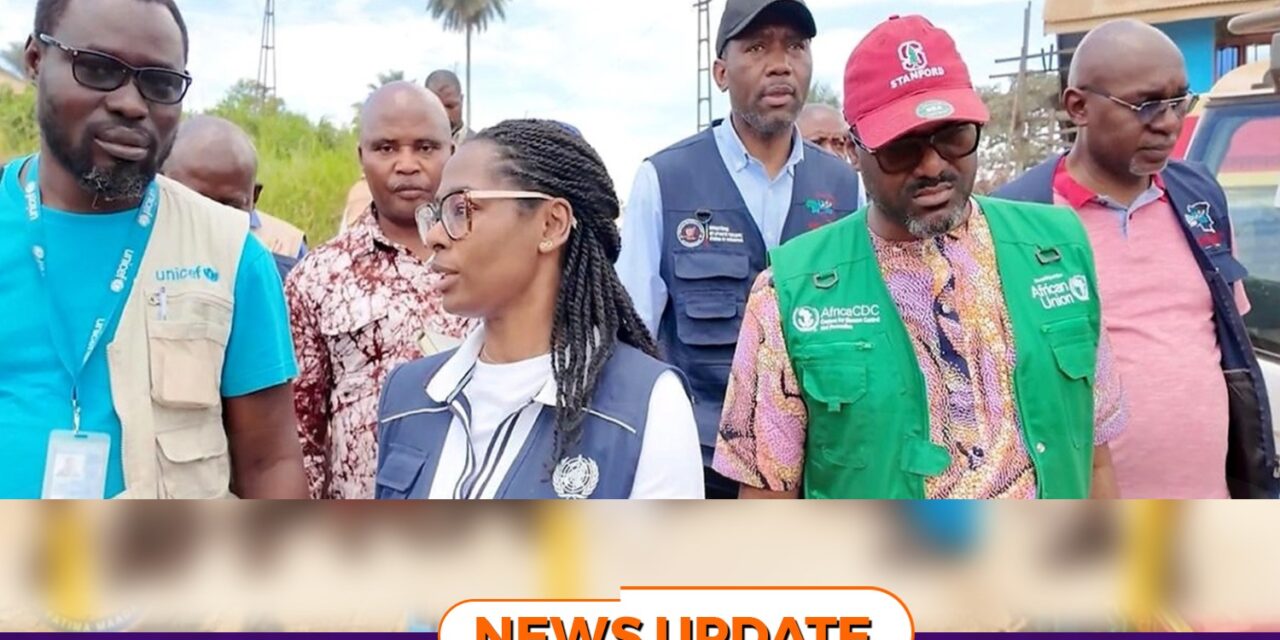
Addis Ababa/Brazzaville, 10th June, 2026 — The Africa Centres for Disease Control and Prevention (Africa CDC) and the World Health Organization (WHO) have unveiled a joint continental Ebola preparedness and response plan, seeking to mobilise US$518 million over the next six months to combat the Bundibugyo virus outbreak.
The plan includes a US$518 million total funding target for a 6-month duration of the response (June to November 2026) and 10 priority countries where critical measures are being strengthened. Currently 0 licensed vaccines or therapeutics are available for the Bundibugyo strain.
The plan, branded under the “One Response” approach, aims to unify governments, partners, and communities under a single framework: one plan, one budget, one team.
The initiative will channel resources into: Emergency coordination and rapid detection, disease surveillance and laboratory testing, infection prevention and clinical care, community engagement and logistics and support for essential health services to prevent disruption of responses to mpox, cholera, and measles.
WHO Director‑General Dr Tedros Adhanom Ghebreyesus stressed that success depends on political commitment, sustained financing, and community trust:
“Containing Ebola depends on communities. Without their participation, contact tracing falters, safe care is delayed, and transmission continues.”
Africa CDC Director‑General Dr Jean Kaseya added: “Ebola moves fast. Africa must move faster. This plan gives the continent a clear path to act with speed and unity.”
The plan complements national efforts in the Democratic Republic of the Congo and Uganda, where outbreaks are ongoing. It also emphasises cross‑border collaboration, screening at points of entry, and solidarity among Member States. Security experts note that the absence of licensed vaccines for the Bundibugyo strain makes system resilience and rapid response capacity critical.
By drawing on lessons from past Ebola crises, Africa CDC and WHO say the plan will not only fight the current outbreak but also strengthen Africa’s long‑term ability to prevent, detect, and respond to future health threats.