By Davida Spaine Solomon
Freetown, 1st May, 2026 – As workers across the globe mark International Labour Day, Sierra Leone’s message is clear: digital transformation must be inclusive, or it risks deepening inequality.
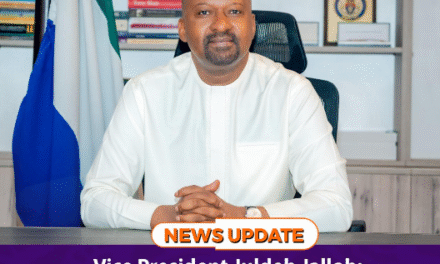
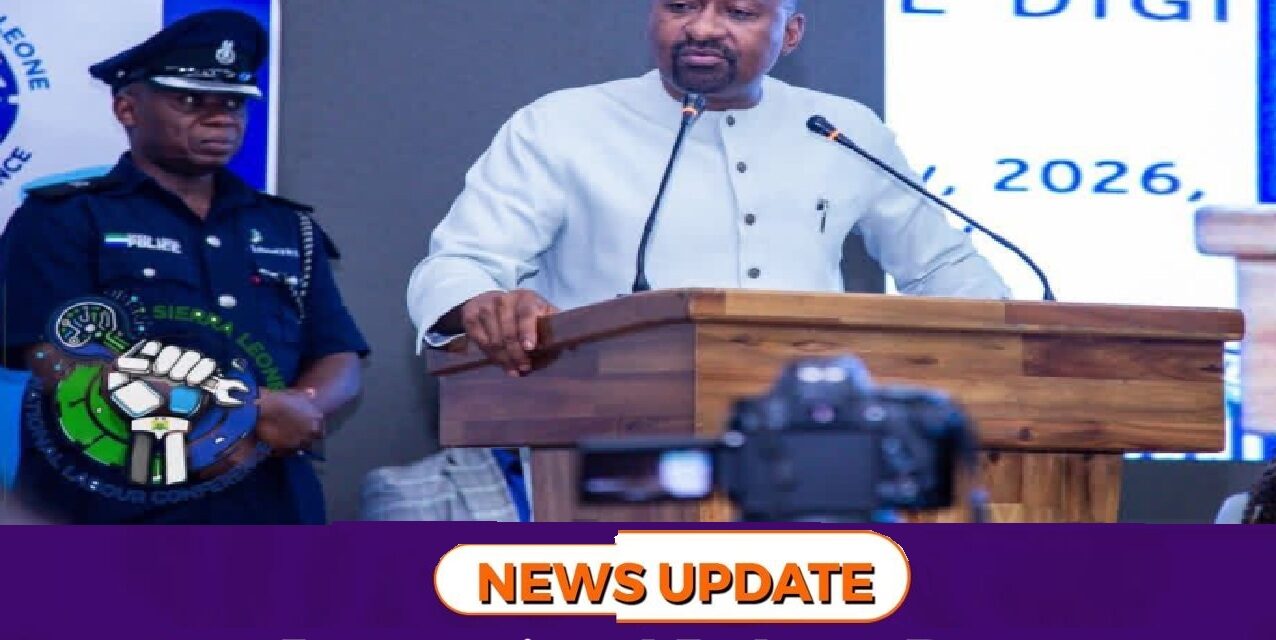
This is according to Vice President Dr. Mohamed Juldeh Jalloh who warned that while mobile platforms, e‑commerce, remote work, and artificial intelligence are reshaping economies, structural barriers could prevent ordinary Sierra Leoneans from sharing in the benefits.
“Without deliberate and inclusive policies, digital transformation risks deepening inequality rather than reducing it,” the Vice President cautioned. His words set the tone for a Labour Day narrative that places fairness and opportunity at the heart of Sierra Leone’s modernization agenda.
He was speaking at an event preceding the May Day celebrations, bringing together government officials, unions, employers, and development partners under the theme “Challenges and Opportunities of Decent Work in the Digital Era.”
Since 2018, Sierra Leone has enacted sweeping labour reforms, including the Employment Act 2023, the Work Permit Act 2023, and the Overseas Employment and Migration Act. The government has also ratified key International Labour Organization conventions to strengthen worker protections.
Recent gains include raising the national minimum wage from Le800 to Le1,200, pension adjustments from Le25 to Le250, and broader public sector salary reviews. Yet challenges remain: high youth unemployment, weak enforcement of labour standards, wage disparities, and a mismatch between graduate skills and market needs.
Vice President Jalloh highlighted the risks of leaving large segments of the workforce behind. Women and youth, who dominate the informal sector, often lack job security, fair wages, or social protection. Unreliable electricity, limited rural broadband, digital skills gaps, and unequal access to finance, especially for women entrepreneurs, compound the problem.
Labour Congress General Secretary Marx Conteh urged that the conference be institutionalized as an annual platform for dialogue, while Employers’ Federation President Kobe Walker stressed the need to equip young people with future‑ready skills to avoid displacement in the digital economy.
The MoU commitments, panel discussions, and tripartite mechanisms all point to one central theme: Sierra Leone’s labour future depends on inclusive digital transformation. As President Julius Maada Bio prepares to lead May Day celebrations, the government’s challenge is to ensure that modernization strengthens, rather than undermines, the dignity of work.
On this Labour Day, Sierra Leone’s message resonates beyond its borders: technology must serve people, not leave them behind.