By Davida Spaine-Solomon
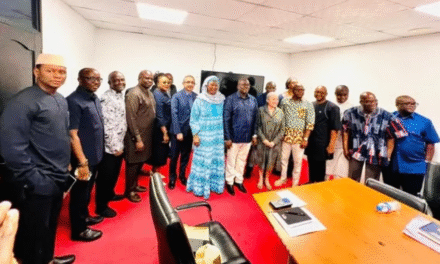
Freetown, 7th April 2026- A renewed call for deeper collaboration, sustained funding, and systemic reform dominated discussions in Freetown as Rainbo Initiative convened donors and stakeholders at a high-level roundtable, urging a shift from fragmented responses to a fully coordinated, survivor-centred system to tackle sexual and gender-based violence (SGBV) in Sierra Leone.
Held at the New Brookfields Hotel under the theme “Invest in Safety: Empowering Survivors, Building Resilience to Sustainable Systems in Sierra Leone”, the conference reflected on progress made while rallying partners toward long-term action.
Executive Director Daniel Kettor described the moment as pivotal. “This is not just a meeting; it is a moment of reflection, alignment, and renewed commitment,” he said, stressing that donor support represents“an investment in dignity, justice, and the lives of women, girls, and vulnerable communities.”
Kettor highlighted achievements such as improved referral pathways, expanded access to integrated medical, psychosocial, and legal services, and growing national dialogue around accountability. Yet he warned of persistent challenges: “Too many survivors still withdraw cases due to fear, cost, and intimidation. Systems remain fragmented, and access to sustained support is still limited.”
He outlined Rainbo’s forward-looking vision: building a fully functional, survivor-centred system that strengthens legal aid, digitises and harmonises data, empowers communities, and fosters resilient institutions. “Partnership is not optional, it is essential,” he stressed, calling for a transition from short-term support to strategic, long-term investment.
Head of Programmes Bob Lamin presented Rainbo’s five-year strategic and business plan, focusing on scaling services, strengthening institutional capacity, and enhancing coordination to ensure sustainability and measurable impact.
A defining moment came through the testimony of a survivor representing a solidarity group. She spoke candidly about mistrust in the judicial system, citing delays, intimidation, and stigma as barriers to justice. Yet her message carried resilience: through Rainbo’s support, survivors are rebuilding their lives, regaining confidence, and accessing safe spaces to heal. “It is your support that is helping us continue our healing journey and become who we are today,” he told donors.
National Youth Commissioner Joseph Maada Lahai described the centre as “a testament to resilience, innovation, and the collective determination of our youth to transform challenges into opportunities.”
As discussions closed, consensus was clear: addressing SGBV in Sierra Leone requires more than isolated interventions. It demands a unified, system-wide response backed by political will, coordinated action, and long-term financing. Rainbo Initiative urged partners to move “from conversation to action” and “from commitment to measurable impact.”
With survivors at the centre of the dialogue, the message resonated: strengthening systems, restoring trust, and sustaining hope will depend on how effectively stakeholders turn promises into concrete action.