Freetown, 7th April 2026– Sierra Leone has been thrust into the spotlight as a key route in West Africa’s expanding cocaine trade, with new evidence linking the country’s ports, coastlines, and even state institutions to the booming illicit market.
According to the Global Initiative Against Transnational Organized Crime (GI‑TOC) report, Cocaine Markets in West Africa: Mapping Impacts, Routes, Trends and Actors, Sierra Leone is part of the “Western Hub” of coastal states alongside Guinea, Liberia, Senegal, Gambia, Guinea‑Bissau, and Cabo Verde, increasingly exploited by traffickers moving multi‑tonne consignments from Latin America to Europe.
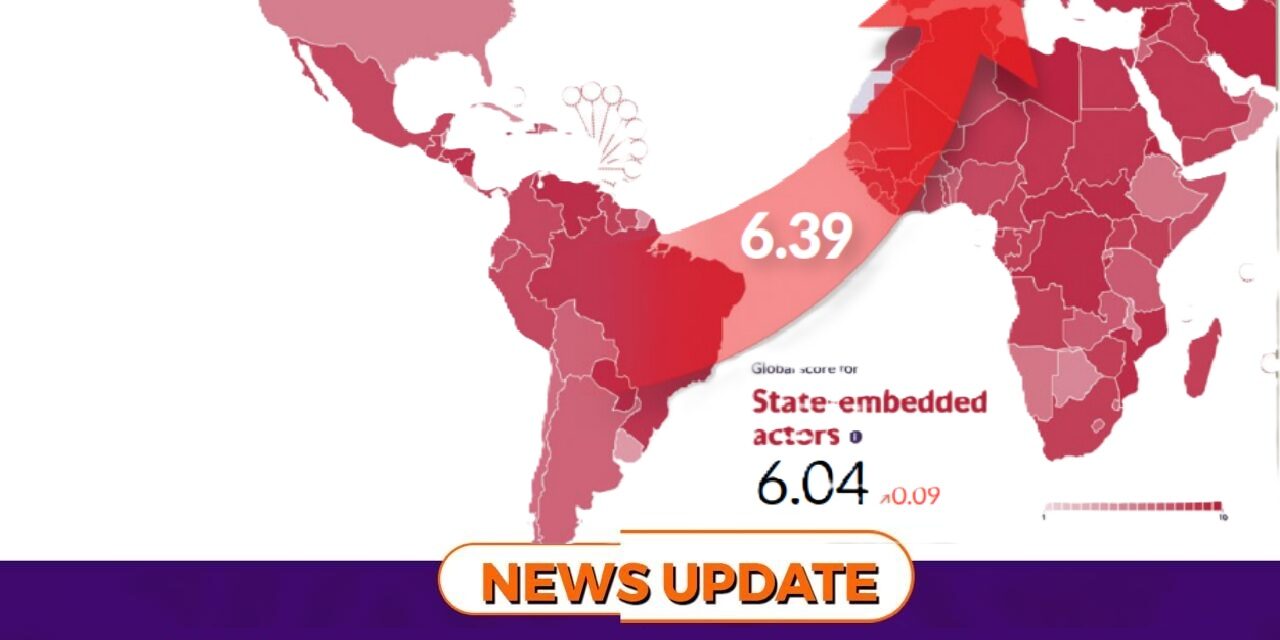
The Port of Freetown has been mapped as a critical link in trafficking routes connecting Brazil’s Santos port, a major global cocaine export hub to Europe. The Port of Antwerp in Belgium has reported some of the most significant seizures originating from Sierra Leone.
Beyond containerized shipments, traffickers are using “daughter vessels” to collect consignments thrown overboard in Sierra Leone’s waters, guided by GPS technology. Fishermen along the coast have reported being approached to transport cocaine domestically or across borders, particularly to Guinea. These consignments are often over 100 kilograms, coordinated mainly by foreign actors.
In 2025, a semi‑submersible vessel washed up on Black Johnson beach, Sierra Leone, providing rare evidence that traffickers are now using submarine‑style craft to transit the Gulf of Guinea. Private aircraft linked to the cocaine trade have also been tracked in Sierra Leone.
The report warns that illicit profits have penetrated Sierra Leone’s political and institutional structures. Dutch trafficker Jos Leijdekkers, sentenced in Antwerp in 2024 and 2025 for large‑scale cocaine trafficking, was reportedly based in Sierra Leone and linked to members of the presidential family. Despite widespread media coverage, long‑term consequences were limited.
In January 2025, Sierra Leone recalled its ambassador to Guinea after suitcases of cocaine were discovered in embassy vehicles, underscoring the depth of infiltration. Opposition figures later leaked alleged links between Leijdekkers and the presidential family, seen by observers as an attempt to destabilize the government ahead of the 2028 elections.
Meanwhile, while most cocaine transiting Sierra Leone is bound for Europe, local consumption is climbing. Crack cocaine use is spreading in urban centers, with “hideouts” serving as drug dens similar to fumoirs in Côte d’Ivoire. Public health systems remain ill‑equipped to respond.
Preliminary evidence also points to Chinese nationals in Sierra Leone’s fisheries sector being involved in wholesale maritime trafficking. Reports suggest containerized cashew shipments from Guinea‑Bissau to India have concealed cocaine, with Sierra Leonean networks playing a role in redistribution.
The GI‑TOC report indicates that Sierra Leone faces escalating risks including: Public health: rising crack cocaine consumption. Governance: corruption fueled by drug profits and Security: links between trafficking and organized crime financing.
It calls for stronger intelligence, improved port screening, and coordinated regional responses to prevent Sierra Leone from becoming entrenched as a permanent cocaine corridor.