By Andrew Chokpeleh
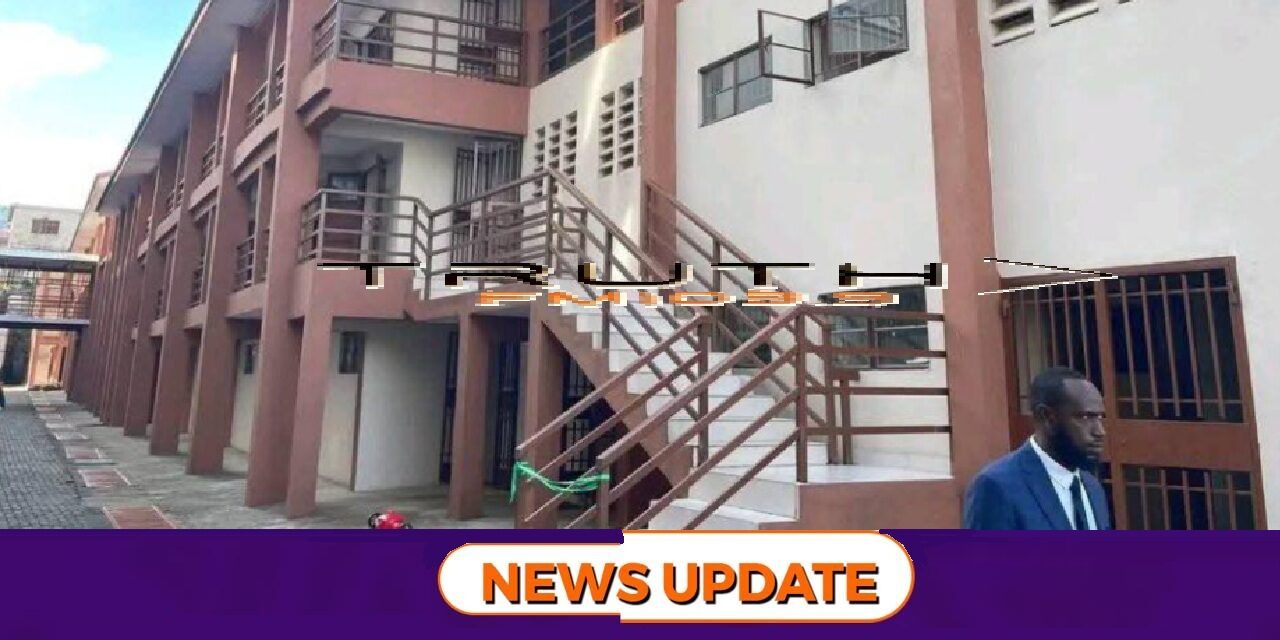
Freetown, 16th March 2026 — Months after its grand opening by President Julius Maada Bio, the $20 million Sewa Grounds Market remains closed, leaving traders frustrated and questioning why such a major investment has yet to deliver relief to the city’s congested streets.
Traders operating around Rawdon Street, Howe Street, Garrison Street, and Charlotte Street say they submitted applications to secure spaces in the market but have received no official communication from the management company. Some report paying small registration fees — Le100 for applications in one case, Le50 in another, yet remain uncertain about when they will be allowed inside. Others allege that management is demanding as much as Le6,000 to secure a shop, a figure far beyond the capital most petty traders use to run their businesses.
Patrick Foray, a trader from Howe Street, explained that despite submitting two applications, he has heard nothing from the management. He said the proposed fees are unaffordable for small traders who often operate on thin margins, buying goods in the morning and paying suppliers later in the day. Meanwhile, he added, traders continue to face harassment from Freetown City Council’s Metropolitan Unit, which arrests them and sometimes demands money before returning confiscated goods.
Another trader, Allieu Sesay of Rawdon Street, confirmed he paid Le50 during registration and submitted all required documents, including a photograph and identification card. He said traders were even allocated numbers corresponding to specific sections of the market, but they are still waiting for confirmation of when operations will begin. Sesay expressed hope that the market would ease the daily struggles of street trading, where goods are frequently damaged by vehicles, motorcycles, and pedestrians.
The Sewa Grounds Market was officially opened late last year amid high expectations that it would reduce street trading and ease congestion in Freetown’s central business district. Built at a cost of $20 million, the facility was handed over by the National Social Security and Insurance Trust (NASSIT) to the Sierra Estate Management Company. Yet, months later, the company has not issued any official statement explaining the delay.
When contacted by Truth Media, the management company said only that applications are still being processed, offering no timeline for when traders will be allowed to move in.
For many, the prolonged closure raises serious questions about accountability and the effective use of public investments. Traders argue that the market was meant to be a lifeline, but instead, they remain on the streets, vulnerable to arrests, harassment, and daily losses. As one trader put it, “We were promised relief, but the doors remain closed.”
The fate of the Sewa Grounds Market now hangs in the balance, with citizens demanding answers on why a $20 million project continues to sit idle while street traders struggle to survive